The cruise ship industry is at a turning point, shaped by economic pressures, changing traveller demographics, sustainability imperatives, regulation, and rapid innovation.
After a strong recovery from the pandemic, the cruise industry continues to show resilience and expansion.
Global passenger numbers are projected to reach nearly 38 million in 2025, with continued fleet growth and economic impact on local communities around the world.
However, rising operational costs, especially fuel prices and geopolitical uncertainty, are squeezing profits. For example, Norwegian Cruise Line Holdings recently warned that fuel cost volatility could dampen yields in 2026.
Shifting Demographics: Younger & Diverse Travelers
Traditionally perceived as catering to older travellers, cruising is increasingly appealing to Gen Z and millennials thanks to social-media appeal, shorter routes, experiential offerings, and flexible pricing.
This shift is influencing cruise design, amenities, and marketing strategies, including more dynamic entertainment options and tech integration.
Innovation & Tech: Smarter, Greener Ships
There’s a major push toward cleaner technologies:
- LNG engines are increasingly common, cutting sulphur and nitrogen emissions as a transitional fuel toward even greener alternatives.
- Hybrid systems, and fuel cells are entering new builds.
- Experimentation with advanced fuels (e.g., biofuels, ammonia) and carbon capture systems is underway.
Shore Power & Port Integration
Many ships can already connect to shore-side electricity, reducing emissions while docked and the proportion will keep increasing as ports invest in infrastructure.
Digitalisation & AI
Operations and customer experiences will be shaped by AI, automation and digital tools, from smarter energy management to personalisation of services and faster check-in processes.
New Builds & Fleet Evolution
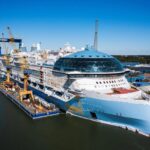
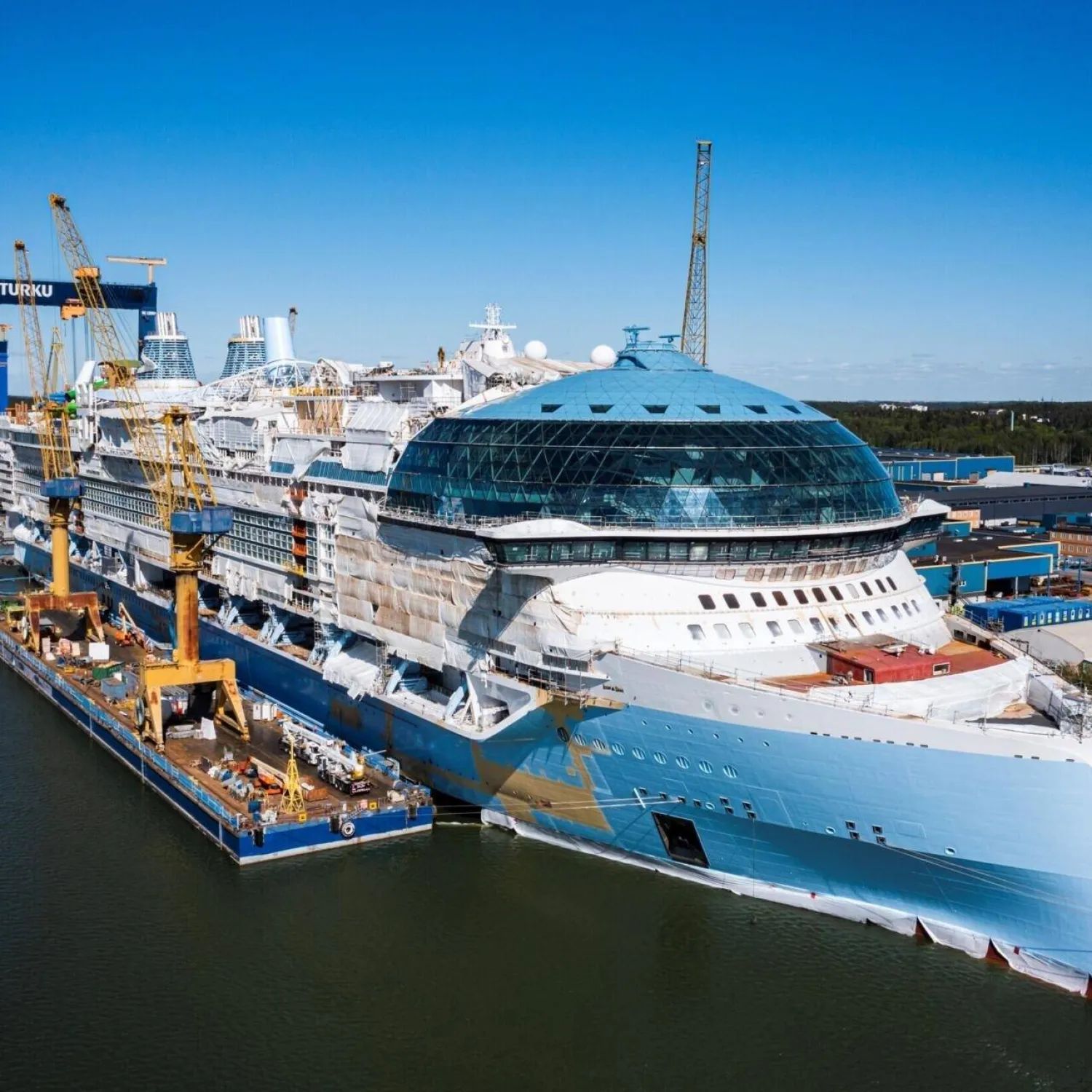
A substantial number of new ships,74 on order at the start of 2026 indicate investor confidence in future demand.
New vessels are larger, more amenity-rich “floating cities” with more entertainment and dining options traits that appeal to wider demographics. Some older, less efficient ships are being retired as lines focus on next-generation designs.